
Beyond the Transaction: AI, Trust and the Future of Payments
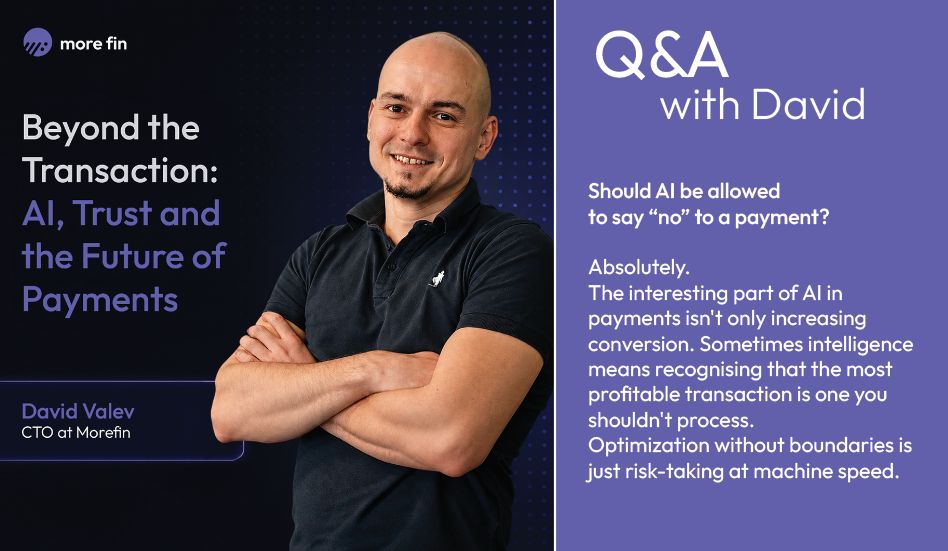
1. We know you as Morefin’s CTO, but who are you when you close the laptop? What keeps you busy, curious or inspired outside of work?
Reading is probably the constant in all of it. If I’m not working, making music or doing something outdoors, there’s a good chance I’m reading.
Music is another big part of my life. I enjoy singing, and for the past few months I’ve also been learning to play the bass, which has been a completely different and very enjoyable challenge.
I also like anything that gets me moving and outside, mainly cycling and snowboarding. Between books, music and sports, I get a good balance of curiosity, creativity and switching off from technology for a while.
2. Building great technology starts with building a great team. What does the “perfect team” look like to you and how do you build one?
For me, a great team starts with having people you can genuinely count on.
Technical skill is important, but I also want people who become experts not only in their craft, but in the product and domain they are building for. When engineers understand the why behind what they are creating, they make much better decisions.
The best teams are built around trust, ownership and people who can challenge each other openly, while still knowing that everyone is working toward the same goal.
3. What are we really building when we build a payment system?
Not software that moves money. We are building trust between people and organizations that may never meet.
A successful payment is ultimately a machine making a very consequential statement: we believe this transaction should happen.
4. If AI starts making financial decisions, who is actually responsible?
That may become one of the defining questions of fintech.
AI can recommend, route and eventually initiate payments but responsibility cannot disappear into the algorithm. The more autonomy we give machines, the more important accountability becomes.
5. Should AI be allowed to say “no” to a payment?
Absolutely.
The interesting part of AI in payments isn't only increasing conversion. Sometimes intelligence means recognising that the most profitable transaction is one you shouldn't process.
Optimization without boundaries is just risk-taking at machine speed.
6. Is compliance the same thing as security?
No. Compliance gives us a common definition of acceptable behaviour; security asks whether the system actually deserves our trust.
The best companies eventually stop asking, “How do we pass PCI?” and start asking, “How do we design the system so violating PCI becomes difficult?”
7. What is more dangerous: a payment system that is offline or one that is wrong?
I would choose wrong.
Downtime announces itself. Incorrect balances, duplicate payments or bad routing can remain invisible.
In payments, correctness is more fundamental than availability. A very available system that moves money incorrectly is simply a very efficient way of creating problems.
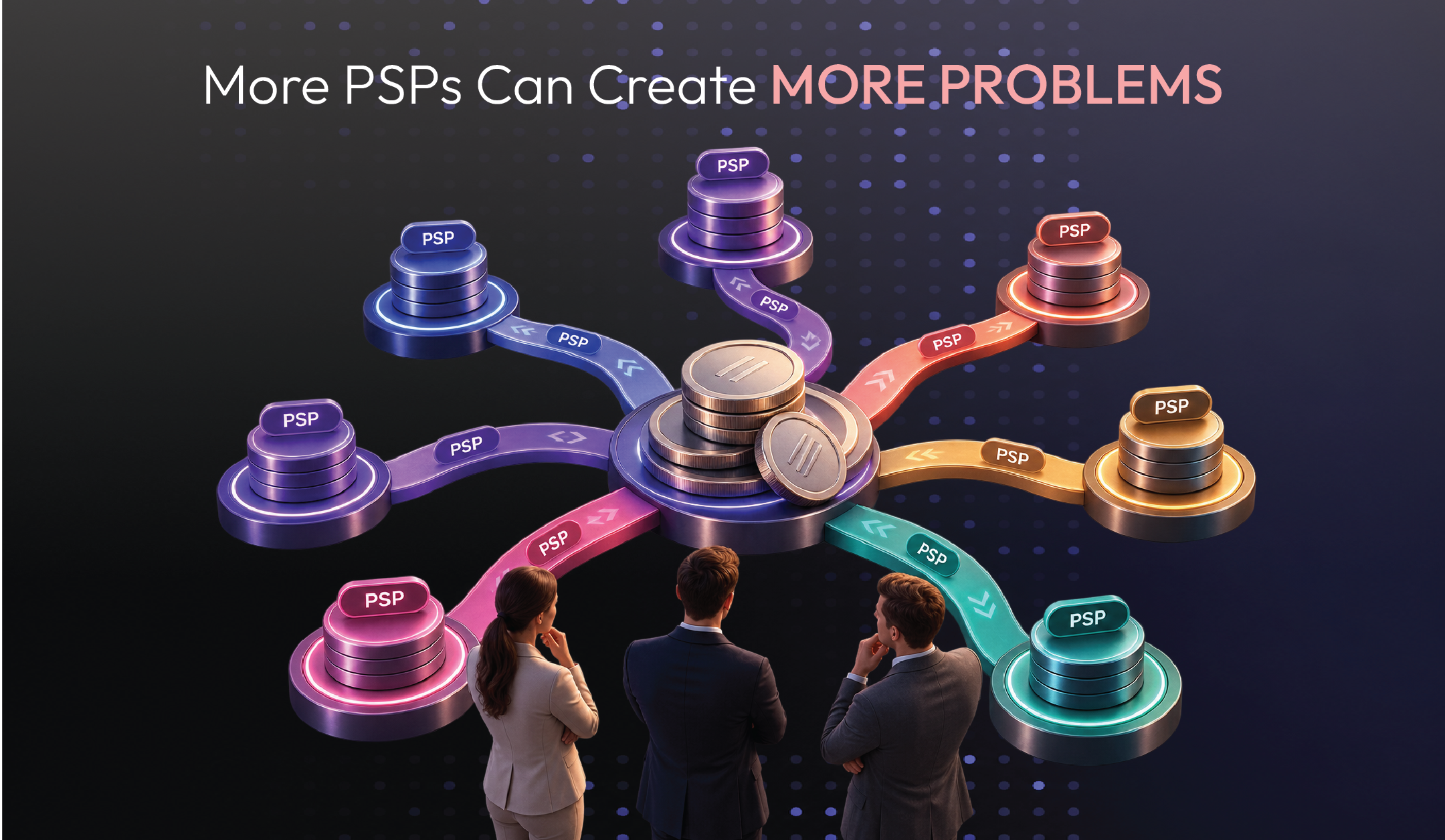
8. Does adding more technology make a payment platform safer?
Not automatically.
Every PSP, API, AI model and integration gives us more capability but also another dependency and another place where trust can fail.
Good architecture isn't about eliminating failure. It's about containing it.
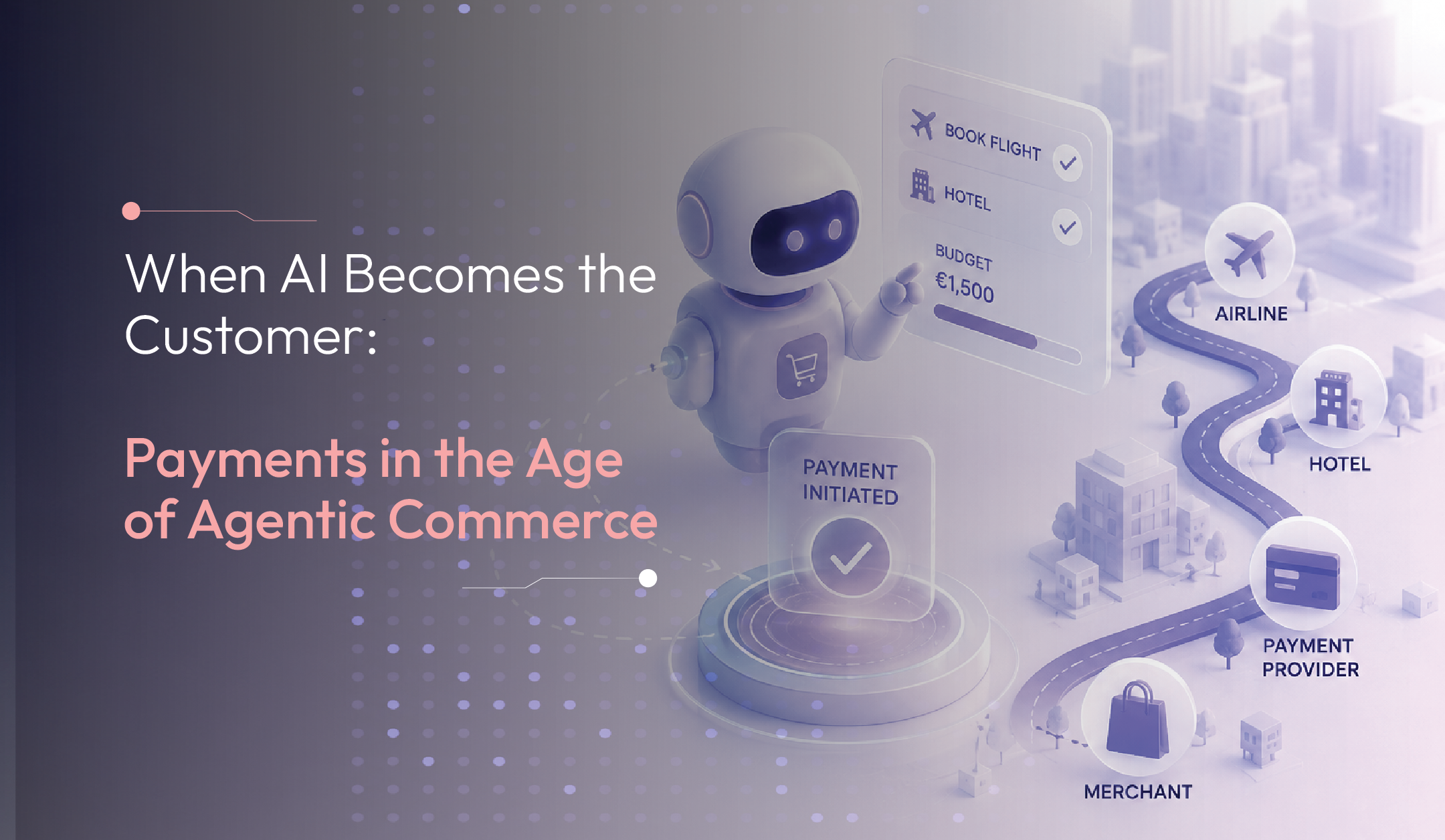
9. What changes when AI agents start spending money for us?
Identity changes.
Today we ask: “Is this really the customer?” Tomorrow we may ask: “Is this really their agent, and was it authorised to make this particular decision?”
Payments will increasingly need to prove not just identity, but delegated intent.
10. What do you think the future of payments looks like?
Paradoxically, payments themselves will probably become less visible.
Agents and software will increasingly negotiate, choose and transact in the background. What becomes more visible is the infrastructure underneath them: identity, security, governance and trust.
The more autonomous technology becomes, the more carefully we have to define what it is allowed to do.
Related articles
Let’s Build the Right
Flow for You
Ready to elevate your digital payments? Our team is here to tailor a custom, high-performance infrastructure that scales with your ambitions. Let’s build your next competitive advantage - together.